Understanding the Motivations Behind Casino Visits
The motivations of individuals visiting casinos can be as diverse as the visitors themselves. For many, the primary attraction is the thrill of gambling; it creates an adrenaline rush that can be intoxicating. This excitement stems from the uncertainty and potential for significant wins, which can lead to a temporary escape from daily life. Other visitors may be drawn by social elements, seeking interaction with friends or meeting new people in an environment that is energetic and lively. Interestingly, many players enjoy the vibrant atmosphere offered by platforms like 1win , where this combination of risk and camaraderie often enhances the overall experience, making it more than just about winning or losing money.
Furthermore, psychological factors like the potential for a ‘big win’ can create a compelling narrative for visitors. The allure of hitting a jackpot taps into the human desire for instant gratification and an improved lifestyle. People often visualise how a substantial win could change their lives, which serves to motivate them to keep playing. Additionally, the ambiance of a casino plays a significant role in influencing behavior; sights and sounds are intentionally designed to be stimulating and engaging, further drawing in participants. Casinos create an environment where the boundaries of reality blur, enticing visitors to stay longer and spend more.
Lastly, casinos are often positioned as entertainment venues, with options beyond gambling, such as dining, shows, and nightlife. This multifaceted approach appeals to a wider audience, including those who may not identify as gamblers. By marketing themselves as comprehensive entertainment destinations, casinos attract diverse demographics, allowing them to engage with a broad spectrum of visitors. Understanding these motivations is essential for casinos aiming to enhance visitor experience and loyalty.
The Role of Cognitive Biases in Gambling Behavior
Cognitive biases significantly influence the decisions made by casino visitors, shaping how they perceive luck and outcomes. One common bias is the illusion of control, where individuals believe they can influence the outcome of a game despite the rules being based purely on chance. This belief may compel players to take larger risks, as they feel a sense of empowerment over their winnings or losses. Even in games of pure chance, such as slot machines, players may believe their strategies can somehow sway results in their favor, which can lead to repeated play and increased spending.
Another prevalent cognitive bias is the gambler’s fallacy, where individuals erroneously believe that past outcomes will affect future results. For example, a player might think that if a roulette wheel has landed on black several times in a row, red is ‘due’ to occur next. This fallacy can encourage continued gambling even after losses, as players chase their perceived luck. Casinos often capitalize on these biases by designing games and environments that reinforce these thought patterns, ultimately keeping players engaged longer than they might have anticipated.

Understanding how these cognitive biases play into the psychology of casino visitors provides insights into marketing and game design strategies. By acknowledging how players think and feel when they gamble, casinos can better cater their offerings, creating games that either mitigate negative consequences or enhance the experience. Ultimately, recognizing these biases is crucial for both the players’ enjoyment and the casino’s revenue generation.
The Impact of Emotional States on Gambling Choices
The emotional states of casino visitors can profoundly affect their gambling behavior and choices. Many people turn to casinos while seeking solace or excitement, using gambling as a way to escape negative emotions or amplify positive ones. For instance, someone dealing with stress may find the vibrant atmosphere and the rush of gambling to be an effective temporary distraction. Conversely, feelings of euphoria, such as celebrating a life event, can also lead to increased betting and risk-taking behaviors as individuals seek to enhance their joyful experience.
Studies have shown that emotional regulation plays a critical role in gambling decisions. Players who struggle with managing their emotions may find themselves caught in cycles of chasing losses or gambling under the influence of heightened emotions. This phenomenon often leads to regrettable choices, where individuals may bet more than intended or gamble impulsively. Furthermore, the casino environment, with its bright lights and energetic atmosphere, can exacerbate these emotional states, making it easy for visitors to lose track of their spending and time.
By understanding the connection between emotions and gambling behavior, casinos can develop more supportive environments. This might involve creating spaces for relaxation or providing resources for responsible gaming. Additionally, offering emotional support or counseling services could help visitors manage their feelings better while gambling, contributing to a healthier gaming experience. Recognizing and addressing the emotional aspect of casino visits is essential for both player well-being and enhancing the overall experience.
The Influence of Social Factors in Casino Environments
Social factors play a crucial role in the psychology of casino visitors, as many individuals view gambling as a communal activity. Casinos are often designed with social engagement in mind, featuring areas where groups can congregate, share experiences, and participate in games together. The presence of peers can significantly impact decision-making, prompting individuals to take larger risks or engage in competitive behaviors that they might not consider when alone. In this way, gambling becomes not just a solitary venture but a social event that enhances the thrill of the experience.
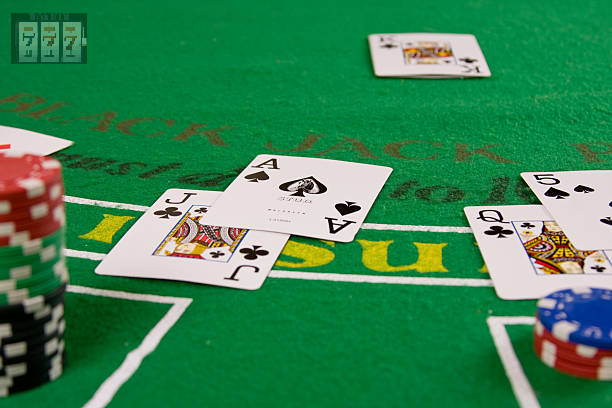
Moreover, the concept of social proof can heavily influence visitor behavior. When individuals observe others winning or enjoying their time, it creates a sense of community and excitement that can drive them to participate in similar activities. This phenomenon can lead to an atmosphere of shared enthusiasm, making it more likely for casual visitors to gamble, even if it wasn’t their original intention. The camaraderie cultivated in these environments can reinforce positive feelings associated with gambling, further entrenching individuals in the casino’s allure.
Casinos can strategically leverage these social dynamics by hosting events, tournaments, and group promotions that encourage social interaction. By creating opportunities for visitors to engage with one another, casinos not only enhance the visitor experience but also foster loyalty and repeat visits. Understanding the impact of social factors on gambling allows casinos to fine-tune their marketing strategies, ultimately reaching a broader audience and enhancing visitor satisfaction.
Exploring Online Resources for Casino Insights
Many resources are available online for those interested in delving deeper into the psychology of casino visitors. Websites and forums dedicated to gambling often feature articles, studies, and discussions that provide a wealth of knowledge on the motivations, behaviors, and experiences of players. These platforms can offer valuable insights into emerging trends and research findings, which can be beneficial for both casual players and industry professionals. By engaging with these resources, individuals can better understand the psychological underpinnings of gambling and how they influence their own behavior.
Additionally, numerous organizations and academic institutions conduct research on gambling behaviors and share their findings publicly. These studies can shed light on various psychological aspects, including addiction, player decision-making, and the impact of game design on gambling experiences. For those interested in the nuances of casino psychology, following reputable sources can enhance one’s understanding and provide practical knowledge that can be applied within the gaming environment.
As the landscape of gambling continues to evolve, particularly with the rise of online casinos and mobile gaming, understanding the psychology of visitors becomes increasingly important. By keeping up with current research and insights, individuals and professionals can navigate the changing dynamics of the casino industry more effectively. Online resources serve as invaluable tools for exploring these shifts and understanding the broader implications for both players and operators.